Top 2025 Trends in Automotive Audio: 2-Way & 3-Way OEM Car Speakers for Germany and Beyond
In 2025, automotive audio is evolving rapidly — and Germany remains a trendsetter. From compact city cars to luxury cruisers, OEM car speakers are being reimagined to deliver immersive, brand-specific soundscapes. This article explores the leading trends in OEM car speakers, why manufacturers choose 2-way car audio or 3-way systems, and how German automotive speaker system innovations are influencing markets around the world.
Why German Automotive Speaker Systems Lead the Way
- Precision Engineering – German OEM audio design emphasizes exact acoustic matching to the vehicle cabin.
- Premium Partnerships – Collaborations with boutique audio houses and global suppliers raise perceived value.
- Material Innovation – Use of lightweight, rigid cones (aluminum, carbon fiber, aramid) and high-flux neodymium magnets.
- Integration with Vehicle Systems – Tight integration with infotainment, driver assistance, and NVH (noise vibration harshness) controls.
2025 Trends: 2-Way vs 3-Way OEM Car Speakers
- Refined 2-Way Designs – Improved crossovers and coaxial layouts delivering wider sound staging with fewer components; ideal for space-limited doors and entry premium trims.
- High-Performance 3-Way Systems – Dedicated woofer, midrange, and tweeter arrays in flagship models for exceptional clarity, imaging, and dynamic range.
- Active & DSP-Driven Tuning – Built-in DSP and active crossovers allow precise time-alignment and room-correction inside the cabin.
- Lightweight & Eco Materials – Reducing mass while maintaining stiffness for improved transient response and sustainability goals.
- Electrified Vehicle Optimization – EVs get bespoke tuning since engine noise is low; OEM speakers deliver a more lifelike soundstage.
Technical Highlights & Typical Specs
- Power Handling: 25W – 200W RMS (depending on active amplification)
- Impedance: 2Ω – 8Ω (low-impedance drivers common with high-current OEM amps)
- Frequency Response: 35Hz – 22kHz (3-way systems extend clarity in mids)
- Driver Materials: Aluminum/carbon-fiber cones, silk/ceramic domes, neodymium motors
Example Product Size & Installation Data
| Parameter | Typical 2-Way | Typical 3-Way |
|---|---|---|
| Driver Layout | Woofer + Tweeter (coaxial or separate) | Woofer + Midrange + Tweeter (separate) |
| Driver Sizes | 4” – 6.5” woofer + 19–25mm tweeter | 5.25” – 6.5” woofer + 2.5” mid + 25mm tweeter |
| Cutout / Mounting | Standard door/panel footprints | Requires tailored mounting and baffle integration |
| Typical Use | Base & mid premium trims | Flagship models, luxury packages |
Market & Consumer Drivers
- Consumer Expectation – Buyers of premium vehicles expect an audio experience on par with home or concert listening.
- Brand Differentiation – Unique sound signatures become part of a vehicle’s emotional branding.
- Regulatory & Environmental Goals – Lightweight, recyclable components help meet CO₂ and circularity targets.
- Aftermarket & Heritage – OEM systems are designed to age well and reduce owner upgrades, protecting warranty and resale value.
Our OEM AI Smart Speaker Drivers
| Image | Model | Description |
|---|---|---|
|
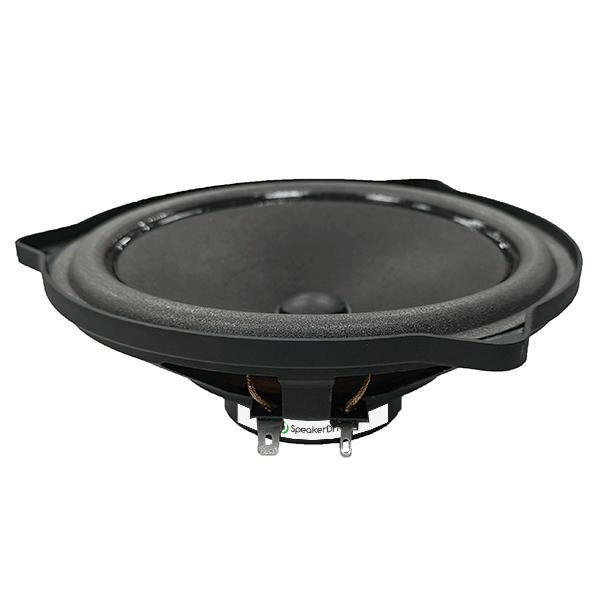
W100B22J15 - Car Speaker Driverr | 6" Full Range Car Speaker Driver | Powerful Bass & Crisp Highs for Ultimate In-Car Audio Experience |
|
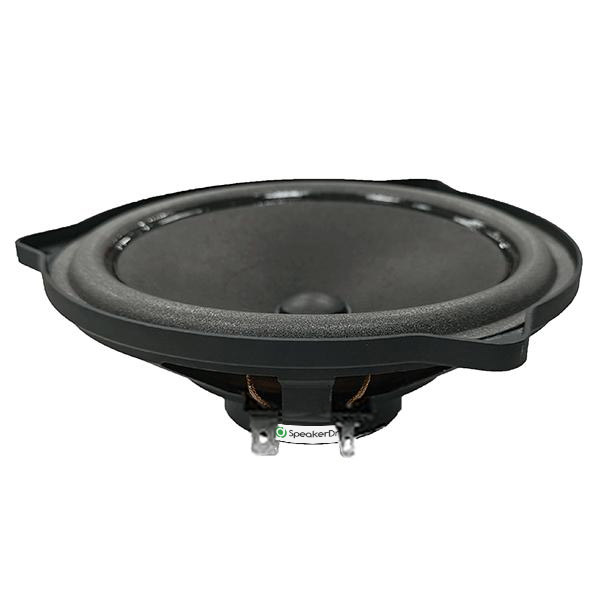
W605R - Car Speaker Driver | 6 Inch Mid-Bass Car Speaker Driver |
|
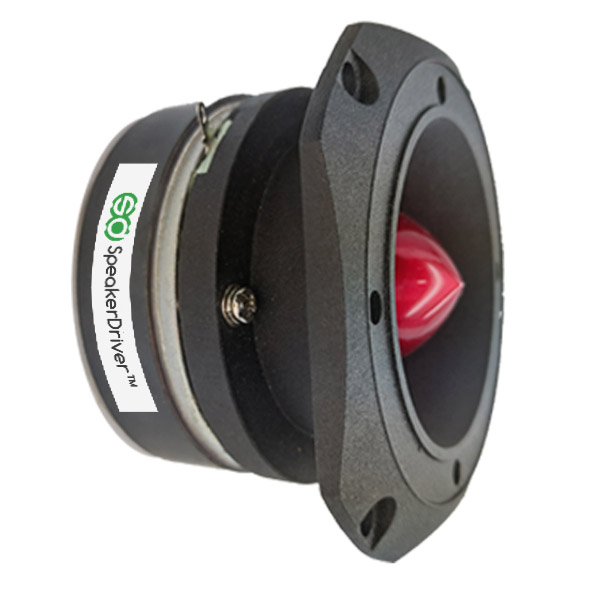
W203B22J10 - Car Speaker Driver | 1.75" Bullet Tweeter for Car Speaker Driver with 44mm Coil | Rear Mounted |
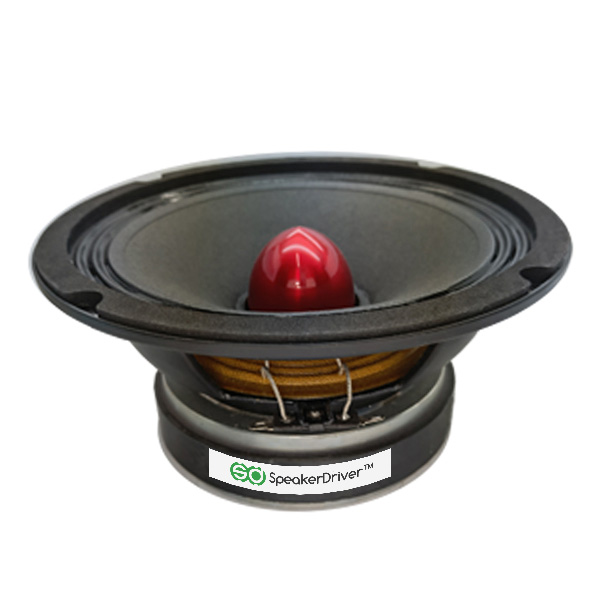
|
W208D20F05 - Car Speaker Driver | 8 Inch | 300W Car Rear Mounted Bullet Speaker Driver with Ferrite Magnet |
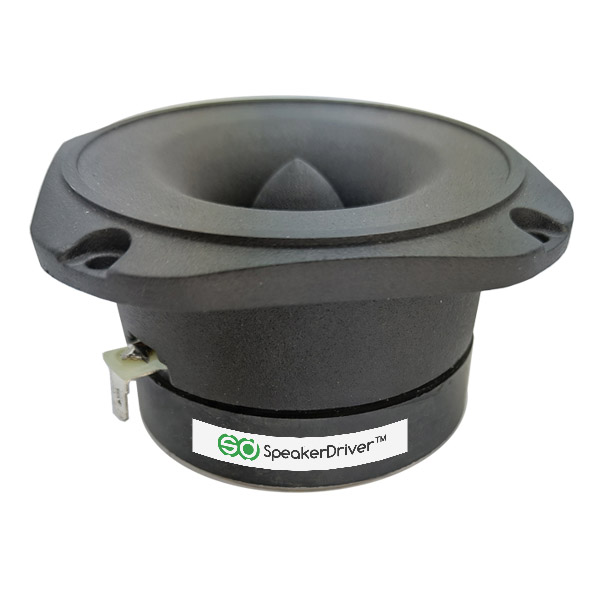
|
T100D21F06 - Car Speaker Driver | 1 Inch Car Bullet Tweeter Speaker | 25mm Coil | 4 Ohm | 100W | High Sensitivity Rear Speaker |
OEM Considerations for Manufacturers
- Acoustic Modeling – Early-stage cabin simulations to optimize driver placement and enclosure behavior.
- DSP Profiles – Multiple presets for driving modes, media types, and passenger preferences.
- Scalability – Modular approaches letting manufacturers offer 2-way in mid trims and 3-way in premium trims using common tooling.
- Compliance Testing – Thermal, vibration, and humidity testing to meet automotive standards.
Outlook: Germany and Beyond
German automakers will continue to push OEM car speaker innovation in 2025 — but the ripple effects are global. Expect broader adoption of high-performance 2-way designs in mainstream segments and bespoke 3-way systems in luxury offerings. As EV adoption grows, the importance of refined in-cabin audio (and its integration with driver experience systems) will increase, making audio a central feature in future vehicle design.
Recommended for OEM Partners
- Offer Tiered Audio Packages – Provide scalable 2-way and 3-way options to suit trim levels.
- Invest in DSP – DSP tuning creates perceived value without large mechanical changes.
- Use Sustainable Materials – Communicate environmental benefits in marketing.
- Collaborate with Audio Brands – Co-branded systems can command premium pricing and prestige.
For advanced OEM car speakers and custom 2-way / 3-way solutions tailored to German automotive standards, consider partners like SPEAKERDRIVER™ — combining engineering, materials innovation, and full OEM support.